
5Vented Gas Logs in a Masonry Fireplace
A vented gas log set installed in an existing wood-burning masonry fireplace, venting up the original flue.
Parts glossary
- Chimney cap
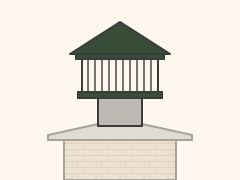
- Metal cover over the flue that keeps out rain and debris.
- Crown
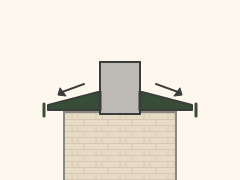
- Concrete or mortar slab on top of the chimney masonry that sheds water.
- Flue
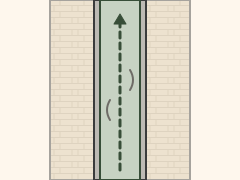
- The open passage that carries exhaust up and out.
- Flue liner (clay tile)
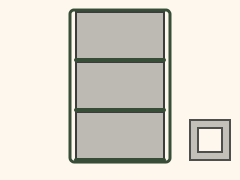
- Clay tile sections lining the flue that protect the masonry.
- Smoke chamber
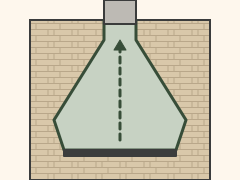
- The tapered space above the damper that funnels exhaust into the flue.
- Damper + damper clamp*
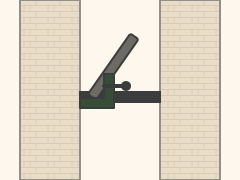
- The damper must stay open while vented logs operate; a damper clamp holds it open so it cannot be closed by mistake.
- Gas log set (ceramic logs)
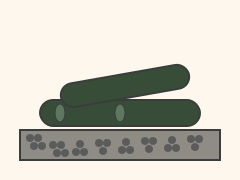
- Ceramic logs arranged on the grate exactly as the manual shows, because placement affects the flame and sooting.
- Grate

- Steel rack that holds the logs above the burner pan.
- Burner pan
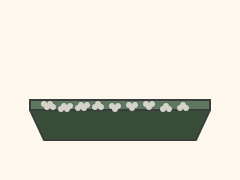
- Pan that holds the burner, covered with media so gas spreads evenly across it.
- Embers / media

- Sand, vermiculite, or glowing-ember material on the burner pan and around the logs, used as the manual specifies.
- Pilot / ignition (if equipped)
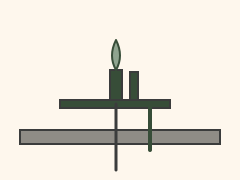
- Standing pilot or electronic ignition with a flame-sensing safety device; some log sets are match-lit and have no pilot.
- Gas key valve
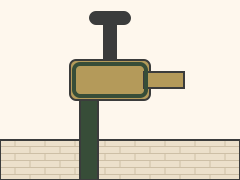
- Manual valve at a front corner of the firebox, often brass, turned on and off with a removable key.
- Gas supply line*
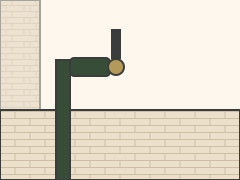
- Gas piping that comes up through the firebox floor at a front corner, in front of the ash dump, and feeds the key valve.
- Ash dump (at back wall)
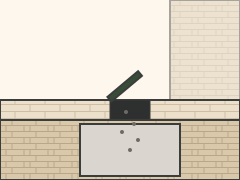
- Existing ash dump in the firebox floor near the back wall.
- Hearth extension*
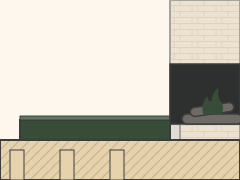
- Noncombustible floor area in front of the fireplace opening.
Verify with code / manual *
- Damper clamp requirement
- Gas line sizing
- Clearances
- Hearth extension
- Vented vs. vent-free log use
Verify with NFPA 54 / NFPA 211 / Oregon Residential Specialty Code and the manufacturer’s installation manual and listing.